
How to Choose the Best Photo for a Custom Pet Portrait Commission
The one step most people overlook — and why it matters
So you've decided to commission a custom pet portrait. Exciting! But before the painting can begin, there's one crucial step that often gets overlooked: choosing the right source photo.
As an oil portrait artist, this is something I talk through with every single client. The source photo doesn't just inform the painting — it shapes everything from the likeness to the mood to the level of detail I'm able to capture. A strong photo leads to a strong portrait. A blurry, poorly lit snapshot makes my work much harder—no matter how long I’ve been painting.
So here's what I look for when helping clients select the best photo for their pet portrait commission.
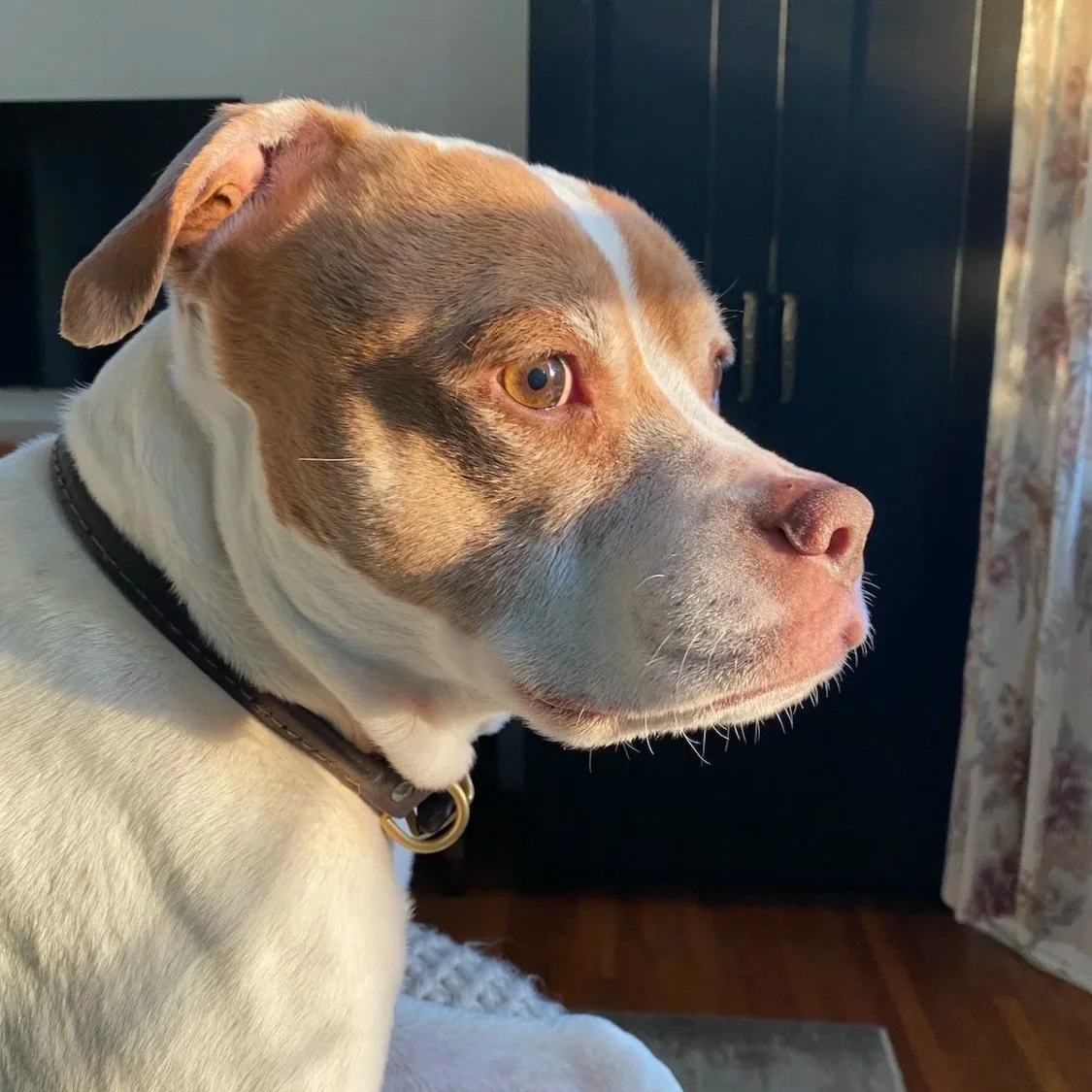
1. Natural Light Makes All the Difference
When it comes to pet portrait photography tips, lighting is at the top of the list — and natural light is almost always the best choice. This doesn't mean your pet needs to be outside. It just means the primary light source should be natural (think: near a window, on a shaded patio, in open outdoor shade).
Why does it matter? Natural light brings out subtle color variations in fur, eyes, and skin that artificial light simply can't replicate. It's more nuanced, more dimensional, and ultimately more beautiful to paint.
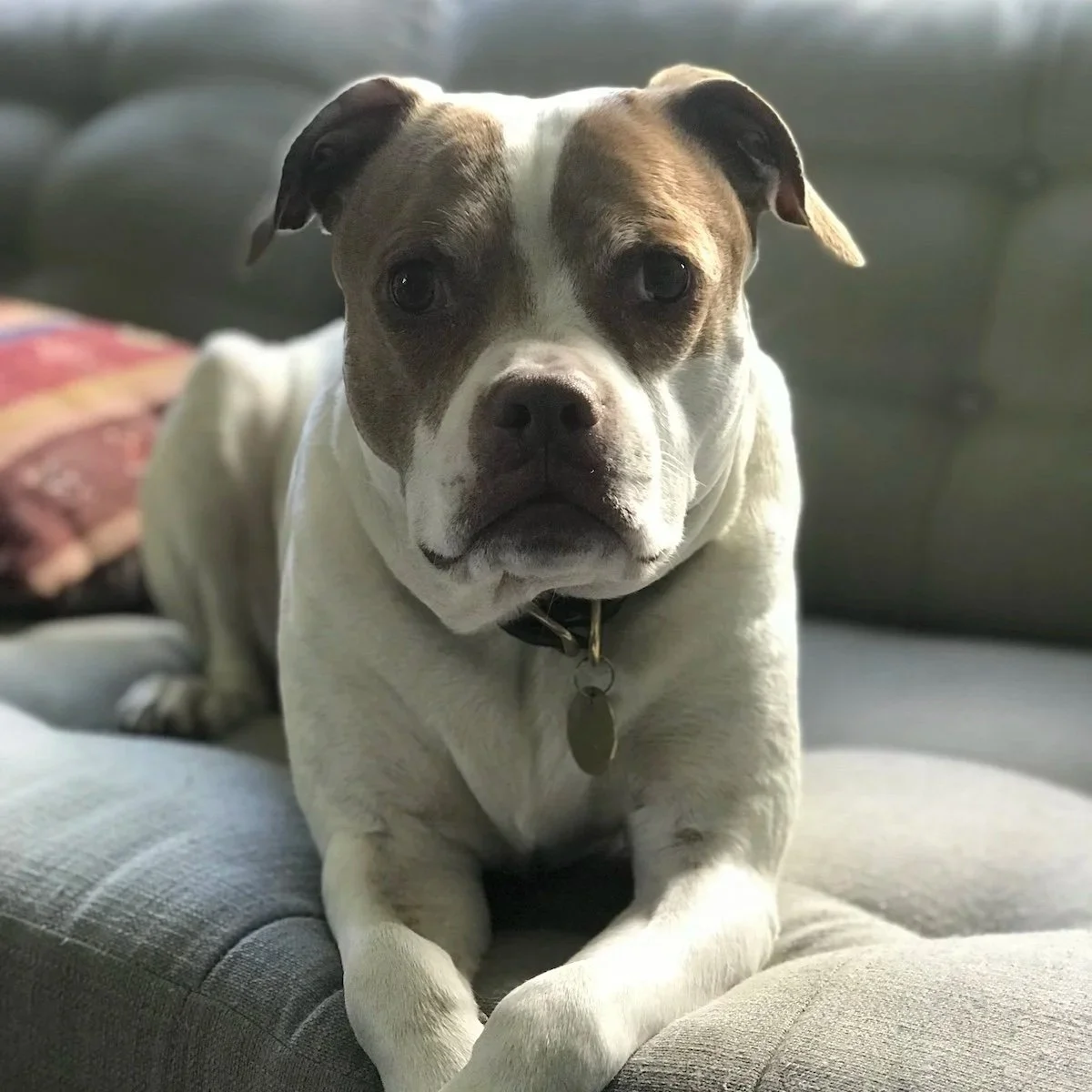
2. Don't Avoid Shadows — Embrace Them
A common instinct is to choose the brightest, most evenly lit photo. But in portrait painting, shadows are your friend. Shadows add depth, create contrast, and make the highlights truly pop. A portrait without shadow reads as flat and one-dimensional. A portrait with shadow reads as alive.
If you have a photo with a nice play of light and dark across your pet's face or body, that's a great candidate for a custom oil portrait!
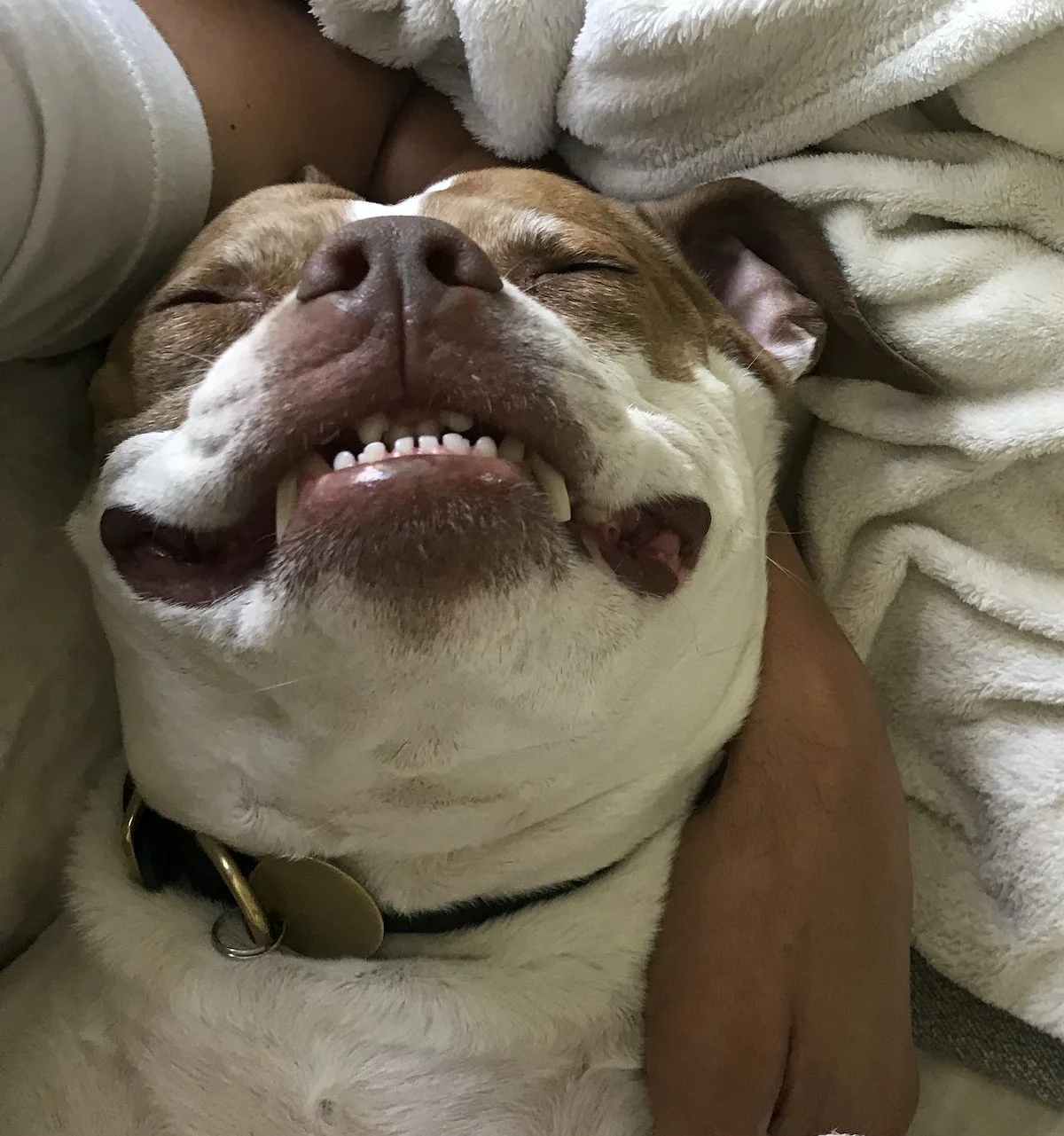
3. Consider the Pose: Traditional vs. Candid
Both traditional and candid poses make for beautiful pet portraits — it really comes down to what best captures your pet's personality, as well as your personal preference.
A traditional pose (subject facing forward, alert expression) tends to work well for formal, heirloom-style portraits. A candid photo — your dog mid-romp, your cat knocking a glass off the counter, a genuine moment of personality — can result in a fun painting that really feels like them.
When commissioning a pet portrait, think about how you want to remember your friend. That usually points you toward the right pose.
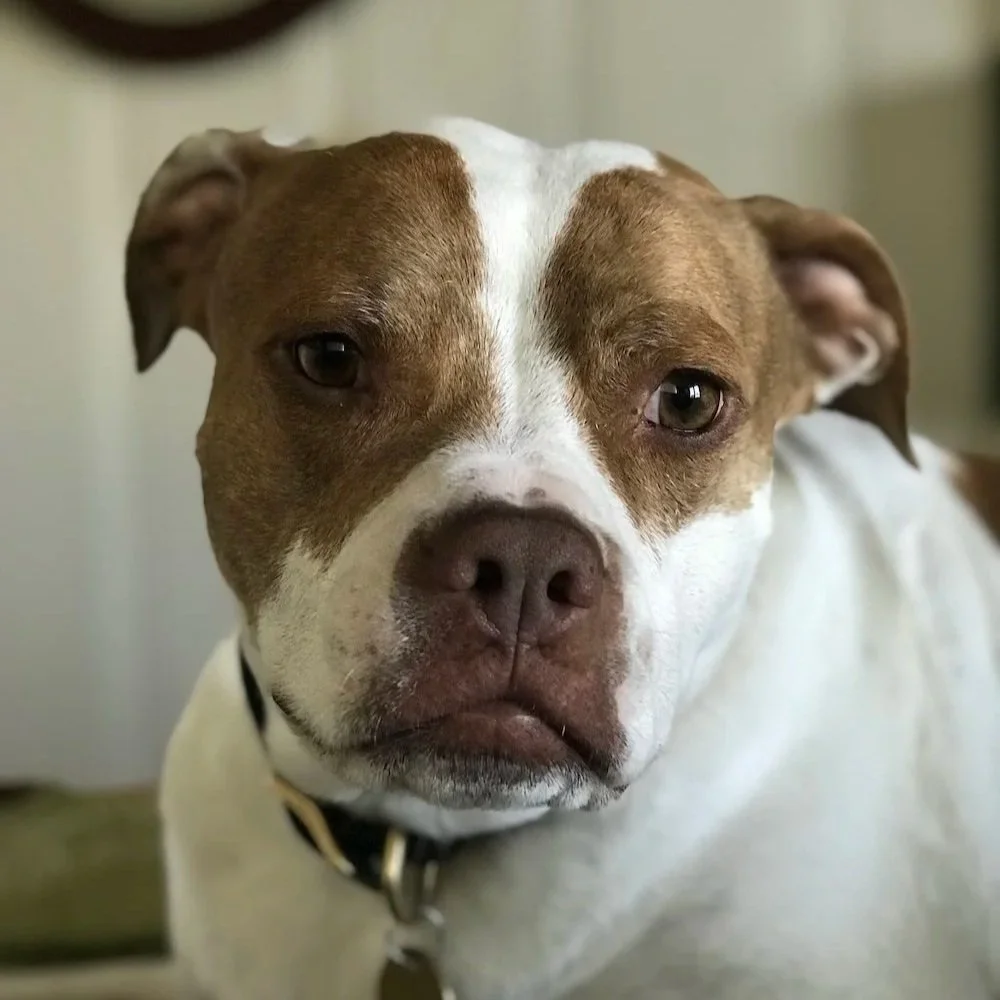
4. Clarity and Detail Matter
For a realistic oil portrait, the more detail I can pull from the source photo, the better. High-resolution photos allow me to accurately capture the texture of fur, the reflection in the eyes, and the individual markings that make your pet unique.
Portrait mode photos can work well as long as the subject's face is in sharp focus. What doesn't translate well: blurry images, heavy noise, or photos where the subject is very small in the frame.
If you're wondering if your photo could work as a source photo you can always reach out to me for help choosing.
Every Portrait Is a Collaboration
These are the guidelines I personally follow in my own oil portrait practice, and they're by no means universal rules — every painter works differently. What I can say is that I love working through photo selection together with my clients. I'm always happy to look at several options and help you find the one that will best suit the painting style, the size, and your vision.
Have questions about commissioning a custom pet portrait? Feel free to reach out here — I'm always happy to chat!